
AI: Crafting Tomorrow's World Today
Discover how AI is reshaping our
future and how you
can be part
of the revolution.
Scroll down


“AI won't replace humans, but humans using AI will.”
Fei-Fei Li
Computer scientist behind ImageNet, a key
driver in AI advancements.
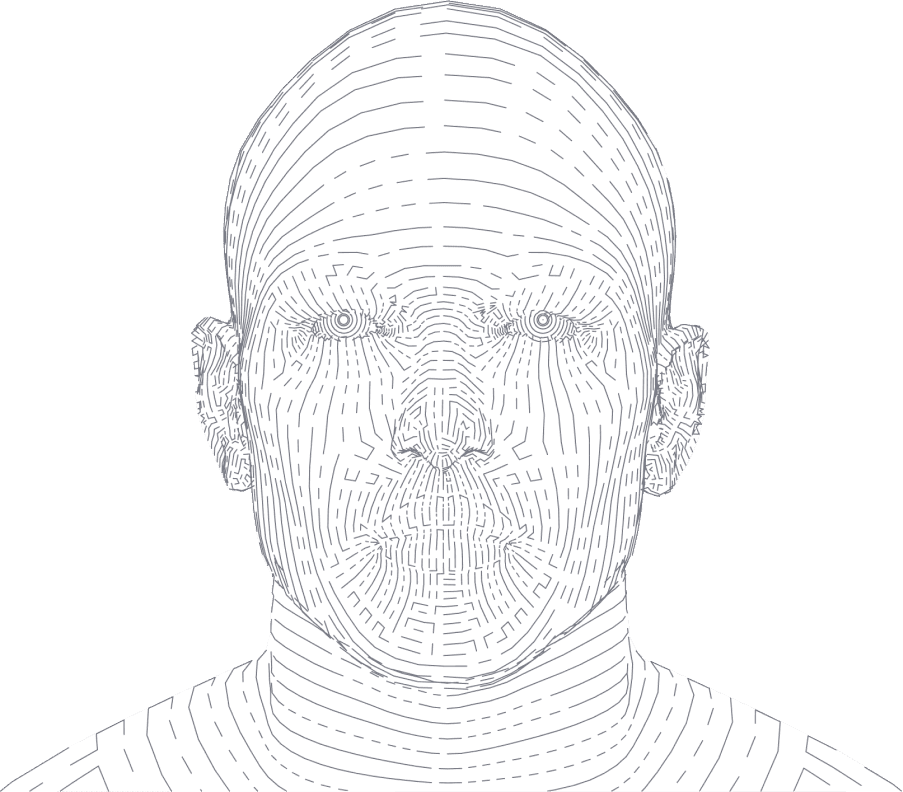
The AI Awakening
Artificial Intelligence has rapidly evolved
from
a niche technology to a transformative
force
across industries. Its exponential
growth is
reshaping how we live, work, and
interact.
Why It Matters Now?
In the race of AI innovation, standing still
means
falling behind. Embracing this
transformative
technology today is your key
to unlocking a future
where AI enhances
every aspect of our daily life.
It's here, redefining the very
essence
of how we'll work,
create, and
connect in the
years to come.
Witness AI's current prowess in action
This video of OpenAI's current GPT model
demonstrates capabilities
that were
unimaginable several years ago.
PLAY
VIDEO
Will you ride the
AI tide,
or be left
aside?
We are Empowering
You in the AI Era

Illuminate the AI
Landscape
We aim to demystify AI technologies,
helping visitors recognize how AI is
already influencing their digital
interactions and what future
innovations may bring.

Empower Digital
Citizens
By providing insights into popular AI
tools
and their applications, this
platform
empowers users to become
active
participants in the AI-driven
digital
landscape.
Foster Innovation
We aim to foster forward-thinking
pioneers
to craft a brighter, more
equitable future for
all, where AI-
driven solutions enhance our
daily
lives and address global challenges
with creativity and responsibility.
been your
invisible digital
companion.
Utilize these essential AI
Tools to enhance
daily life,
work efficiency, and driving
innovation.

ChatGPT
ChatGPT is an AI conversational model developed by OpenAI that generates human-like text based on user input. It can engage in natural language conversations, answer questions, and assist with various tasks by understanding and generating text in a conversational manner.

Midjourney
Midjourney is an AI-powered tool that creates high-quality, custom illustrations and visual content from textual descriptions. It uses advanced generative algorithms to transform written prompts into unique and artistic images, helping designers and creators produce visual content efficiently.

Grammarly
Grammarly is an AI-driven writing assistant that helps users improve their writing by checking for grammar, spelling, punctuation, and style errors. It offers real-time suggestions and enhancements, ensuring clear, correct, and effective communication across various types of written content.
learning materials
to suit your learning style

Books

Course

YouTube

Blogs
Breakthrough of AI
developments, from cutting-edge
research breakthroughs to industry applications that
are reshaping our
world in real-time.
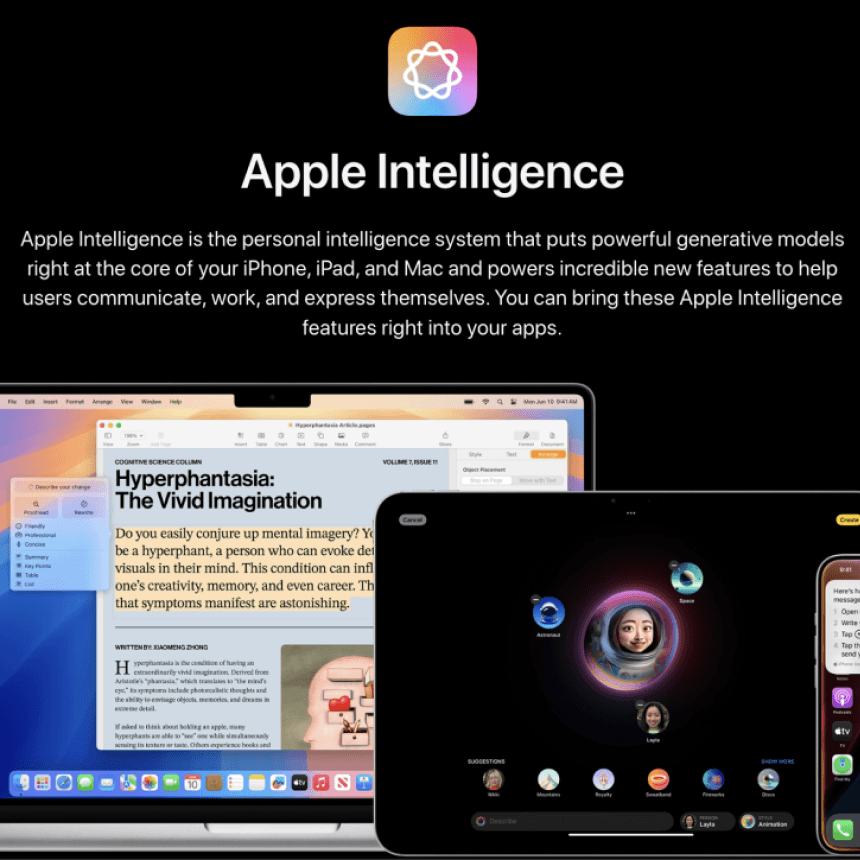
Apple's New AI Innovations
Apple is integrating advanced AI features into its products, enhancing user experiences with personalized and intuitive interactions. These innovations include improvements in Siri and other AI-driven functionalities across Apple devices.

Runway's Next-Gen Video Generation AI
Runway launched a new AI model for high-fidelity, fast, and controllable video generation, pushing the boundaries of creative AI applications. This innovation promises to revolutionize video production by making it more accessible and efficient.

AI Optimism in Financial Planning
A Northwestern Mutual study shows growing trust in AI tools for financial planning among younger Americans. The study highlights a cautious yet positive outlook on AI's role in enhancing efficiency in financial services.
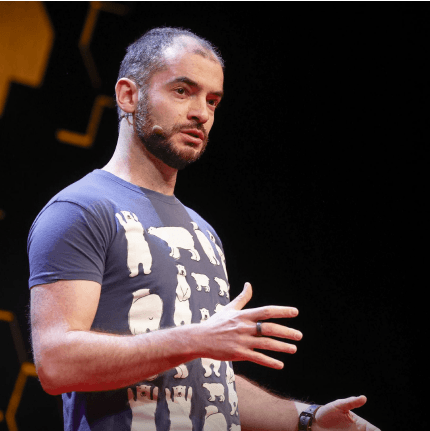
Ilya Sutskever's New AI Company
Ilya Sutskever, co-founder of OpenAI, launched Safe Superintelligence Inc (SSI) to focus on developing safe and ethical AI technologies. This new venture aims to address critical issues in AI safety and reliability.

Shutterstock's AI Licensing Success
Shutterstock generated $104 million in 2023 by providing its media library for AI model training, attracting major tech firms like OpenAI and Meta. This move highlights the potential of the dataset market in AI development.

Anthropic's Claude 3.5 Sonnet Release
Anthropic introduced Claude 3.5 Sonnet, an advanced AI model known for its nuanced understanding and natural tone. It's available for free on Claude.ai and the Claude iPhone app, enhancing productivity in tasks like legal drafting and business report writing.

Picsart and Getty Images Partnership
Picsart partnered with Getty Images to launch an AI model for commercially-safe image generation, ensuring high-quality and legally compliant visuals for creators and marketers. This collaboration aims to democratize creative tools using AI.

AI in Healthcare and Education
The global push for effective AI governance continues, with new initiatives focusing on the transformational benefits of AI in public services like healthcare and education. This collaborative effort aims to maximize AI's positive impact on society.

AI-Driven Fraud Detection in Fintech
AI is revolutionizing fraud detection in fintech, enabling real-time analysis and prediction of fraudulent activities. This technology helps financial institutions protect their customers and assets more effectively.
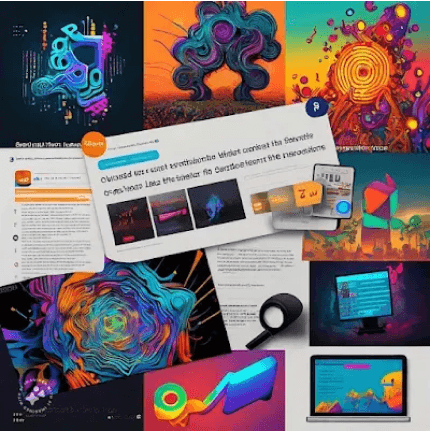
AI-Enhanced Content Creation Tools
Tools like GPT-4 are being used to enhance content creation, making it easier for writers and marketers to generate high-quality content efficiently. These AI tools are transforming how content is produced and consumed.
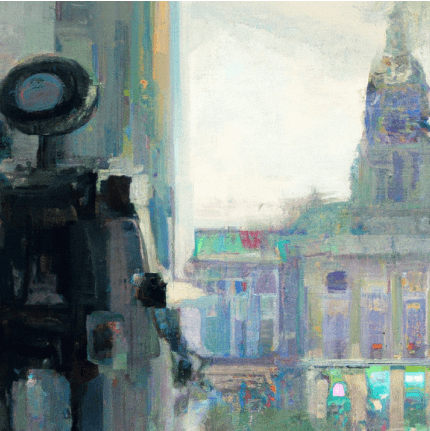
AI Optimism in Policy and Governance
Governments and industry leaders are collaborating to create responsible AI policies, focusing on safety, transparency, and ethical standards. This multi-stakeholder approach aims to ensure AI benefits are maximized while mitigating risks.


Ethical
Considerations
The rapid advancement of AI technology
brings with it a host of complex
moral and
societal questions that demand our
attention and thoughtful
consideration.
Fairness and Bias
AI systems can perpetuate or even amplify existing biases if
not carefully designed and monitored. We must strive to
ensure that AI tools are fair and equitable across diverse
populations, carefully examining our data sources and
algorithms for hidden prejudices.
Privacy and Data Protection
The hunger for data that drives AI advancements often
collides with individual privacy rights. Striking the right
balance between leveraging data for innovation and
protecting personal information is crucial for maintaining
public trust in AI technologies.
Transparency and Explainability
As AI systems become more complex, ensuring their
decision-making processes are transparent and explainable
becomes increasingly challenging. We must work towards
creating AI that can articulate its reasoning, especially in
high-stakes domains like healthcare and criminal justice.
Accountability and Responsibility
When AI systems make mistakes or cause harm, who is
held responsible? Establishing clear lines of accountability
is essential as AI takes on more autonomous roles in
society.
Job Displacement and Economic Impact
While AI promises to create new opportunities, it also
threatens to automate many existing jobs. We must
proactively address the potential for economic disruption
and work towards solutions that ensure the benefits of AI
are broadly shared.
Safety and Security
As AI systems are integrated into critical infrastructure and
decision-making processes, ensuring their safety and
security becomes paramount. Robust testing, validation,
and cybersecurity measures are essential to prevent
misuse or malfunction.