
Artificial Intelligence
Intelligence
Imagine a world where machines can think, learn, and create just like humans.
A world where your smartphone understands your voice, your car drives itself,
and your favorite online store knows exactly what you want before you do.
This isn't science fiction—it's already all around us.

But what exactly is AI?
At its core, Artificial Intelligence is the ability of machines to mimic human intelligence. It's like giving a computer a brain and teaching it to use it. Just as we learn from experience, AI systems learn from data. They analyze patterns, make decisions, and even predict future outcomes. Think of AI as your incredibly smart, tireless assistant. It's there to help you navigate traffic, translate languages on the fly, or even diagnose diseases. It's the invisible force making our lives easier, our work more efficient, and our world a little more magical.
what it is?
(YouTube) to give you a better idea of it!
PLAY
VIDEO
How AI Works:
Demystifying the Magic
Imagine you're teaching a child to recognize different animals. You show them pictures, point
out distinctive features, and over time, they learn to identify animals on their own. Artificial
Intelligence works in a surprisingly similar way! Let's break it down into simple steps:
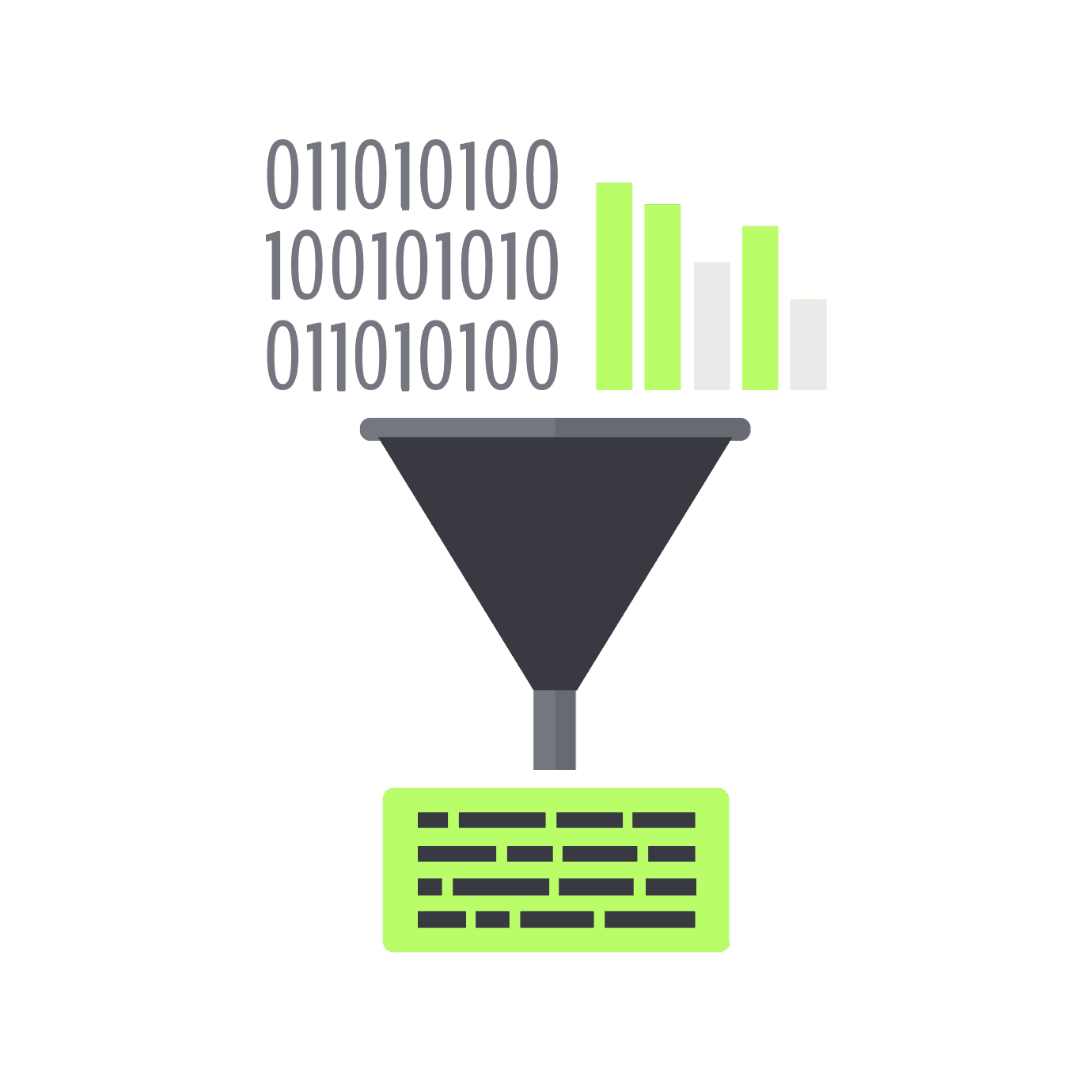
Data Input: The
AI's Textbook
Just as we learn from books and experiences, AI
learns from data. Lots and lots of data! This could
be images, text, numbers, or any other form of
information. Think of this as the AI's textbook,
filled with examples to learn from.
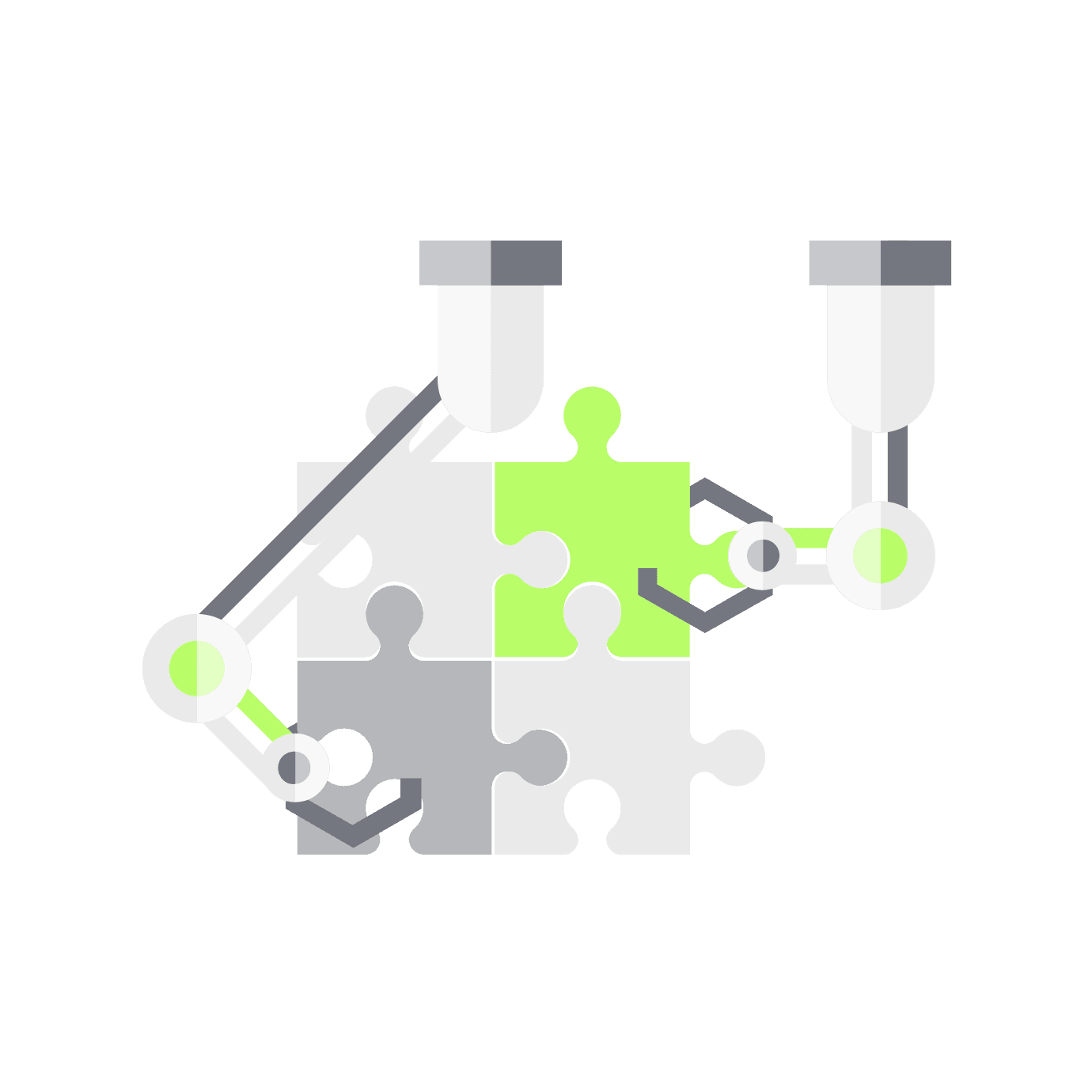
Training: Practice
Makes Perfect
Next comes the training phase. The AI analyzes the
input data, looking for patterns and relationships. It's
like a student doing countless practice problems,
getting better with each attempt. This process is often
called "machine learning."
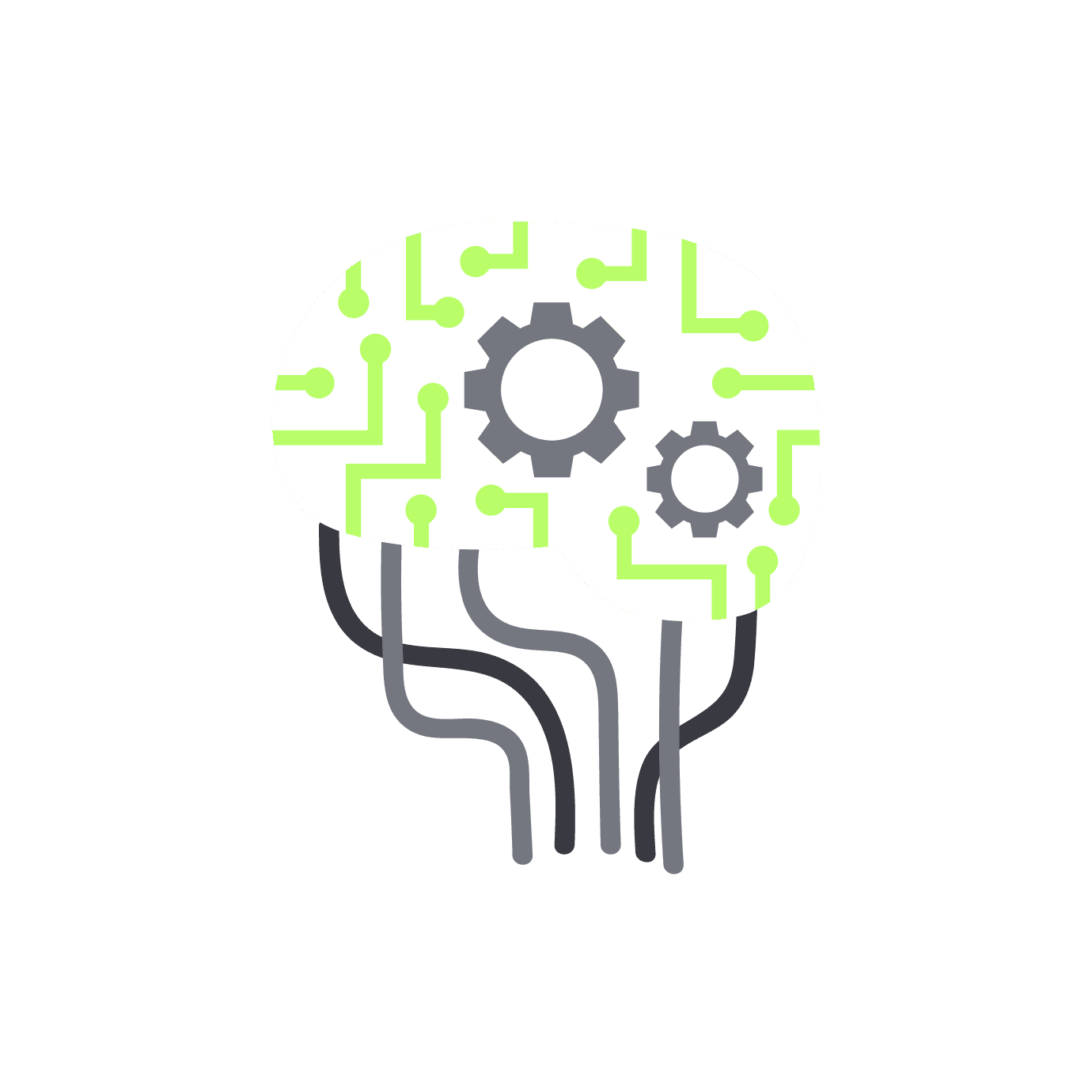
Creating a Model:
Building the
AI's Brain
As the AI trains, it develops a "model" – a set of
rules and patterns it has learned. This model is like
the AI's brain, allowing it to make decisions and
predictions based on what it has learned.
Testing and Refining:
Pop Quizzes
for AI
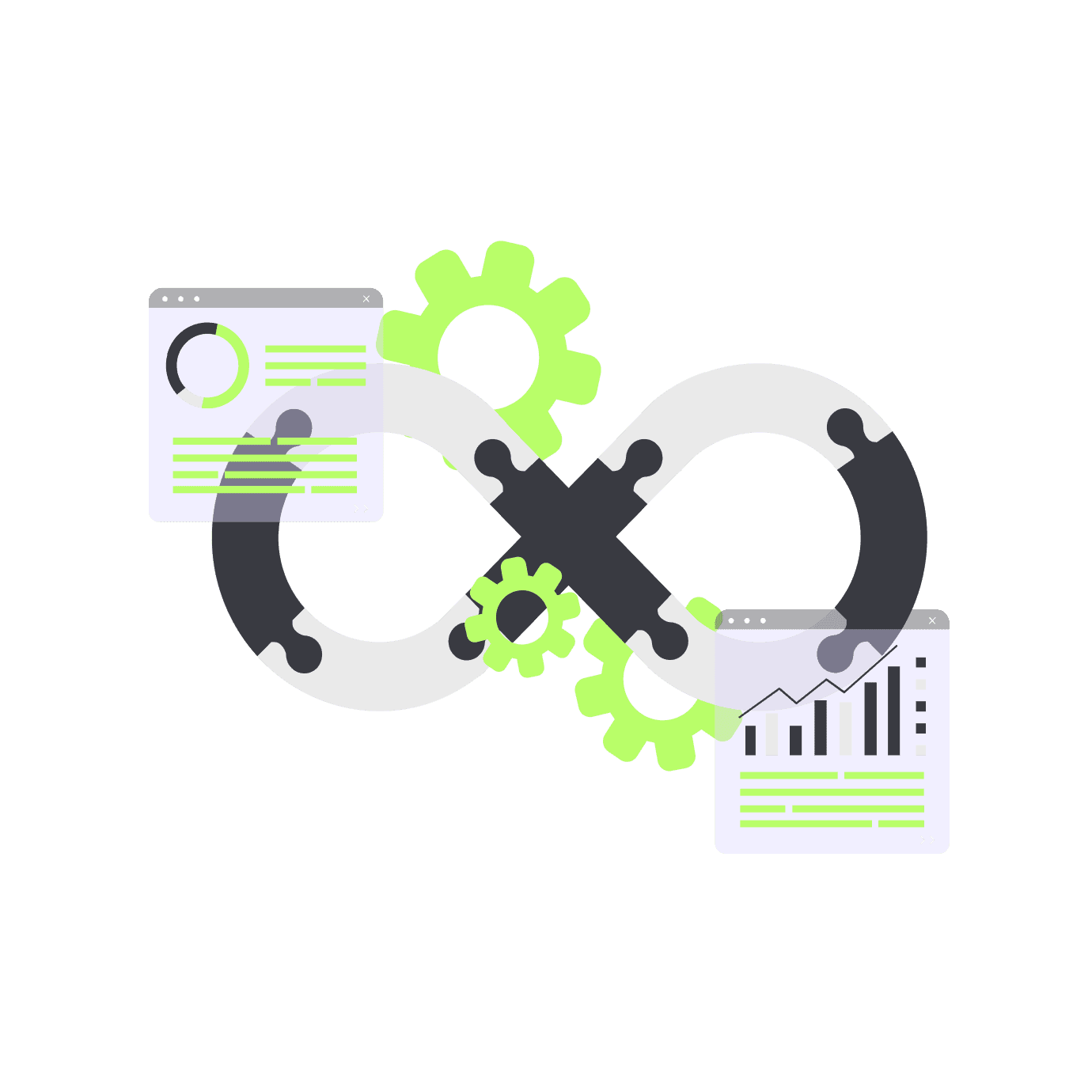
The AI's model is then tested on new data it
hasn't seen before. If it makes mistakes, the
model is adjusted and improved. This cycle of
testing and refining continues until the AI
performs well consistently.

Deployment: Putting
Knowledge
to Work
Once the AI model is performing satisfactorily, it's
ready to be used in real-world applications. This
could be anything from recommending movies on
streaming platforms to detecting diseases in
medical scans.
Continuous Learning:
Always
Improving
Many AI systems continue to learn and improve
even after deployment, adapting to new data and
situations – much like how we continue to learn
throughout our lives.
Types of AI
Just as humans have different talents and
specialties, AI comes in various
forms, each
designed for specific tasks and challenges.
Let's explore the
main types of AI, imagining
each as a unique digital personality
Narrow AI, The Specialist
Imagine a brilliant chef who can create culinary masterpieces but struggles with basic math. That's Narrow AI, exceptional at specific tasks but limited to its area of expertise. Examples are Siri, chess-playing programs, image recognition software

General AI, Renaissance Mind
General AI aims to mimic human-level intelligence across a wide range of tasks. Current status: Still theoretical, not yet achieved. Goal: To reason, plan, solve problems, and learn at a human level. Challenges: Replicating the flexibility and adaptability of human cognition
Machine Learning, The Eager Student
Think of a curious child who learns from experience, getting better with each attempt. Machine Learning algorithms improve their performance as they're exposed to more data. Applications: Recommendation systems, fraud detection, autonomous vehicles
Deep Learning, The Deep Thinker
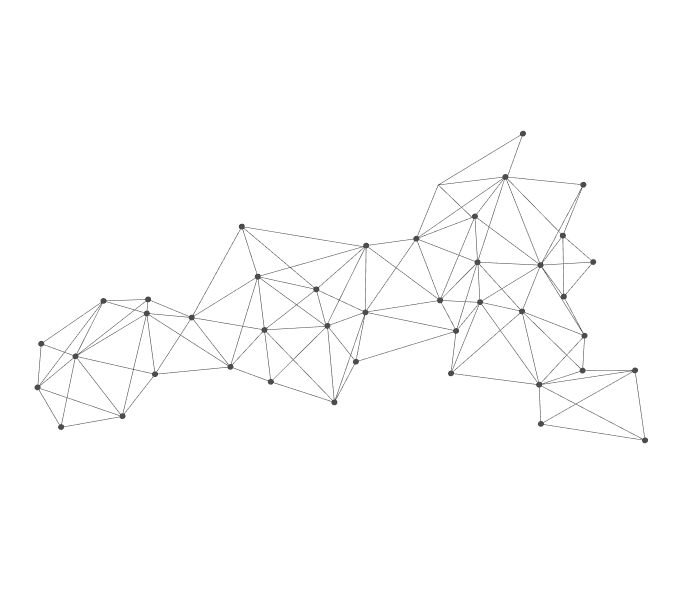
Imagine a detective who can spot subtle patterns in vast amounts of information. Deep Learning uses neural networks to analyze complex data. It is inspired by The human brain's neural structure. Example: AlphaGo, which defeated world champion Go players

NLP, The Linguist
Picture a polyglot who can understand, interpret, and generate human language. Natural Language Processing (NLP focuses on the interaction between computers and human language. Applications: Language translation, chatbots, sentiment analysis
Computer Vision, The Digital Eye
Think of an art critic who can analyze and understand visual information from the world. Computer Vision enables machines to interpret and make decisions based on visual data. Example: Facial recognition, autonomous vehicles, medical image analysis
Frequently
Asked Questions
We understand that artificial intelligence can
seem complex, and questions abound
whether
you're new to the field, a creator who can
benefit from ai tools, or a
programmers. Here
are faq's to address the unique concerns of
these 3 groups:
What exactly is Artificial Intelligence (AI)?
Is AI the same as robots?
Can AI think like humans?
Is AI dangerous?
Will AI take over all our jobs?
How does AI learn?
What are some everyday examples of AI?
Do I need to be a math genius to understand AI?
Can AI be creative?
How will AI affect my life in the future?